18th March 2026

Fewer than one in seven organizations are strategically aligned. What can leaders do about it?

Strategic alignment, defined as getting every member of an organization – from c-suite to frontline employees – working toward a shared vision, is widely recognized as an important driver of business performance. Yet achieving it in practice remains a persistent challenge.

Recent research published in the Harvard Business Review showed that 91% of executives agree that strategic alignment is essential, but fewer than one in seven strongly believe their own organization is strategically aligned. Among leaders who strongly disagreed that their organization was strategically aligned, 77% reported below-target financial performance.

In multinational companies, the challenge is amplified. Strategy may be clear at the center, but it is filtered through varying levels of fluency and confidence as messages move across regional teams. Over time, small differences in interpretation can lead to inconsistent execution.

Many organizations introduce language training to strengthen international communication. However, new research suggests that the sophistication, or ‘maturity level’, of these programs plays an important role in whether they contribute to consistent global alignment.

The relationship between language training and strategic alignment


Insights from 1,300 multinational businesses show that the presence of language training, regardless of its sophistication level, has numerous business benefits, spanning improved efficiency and employee confidence.

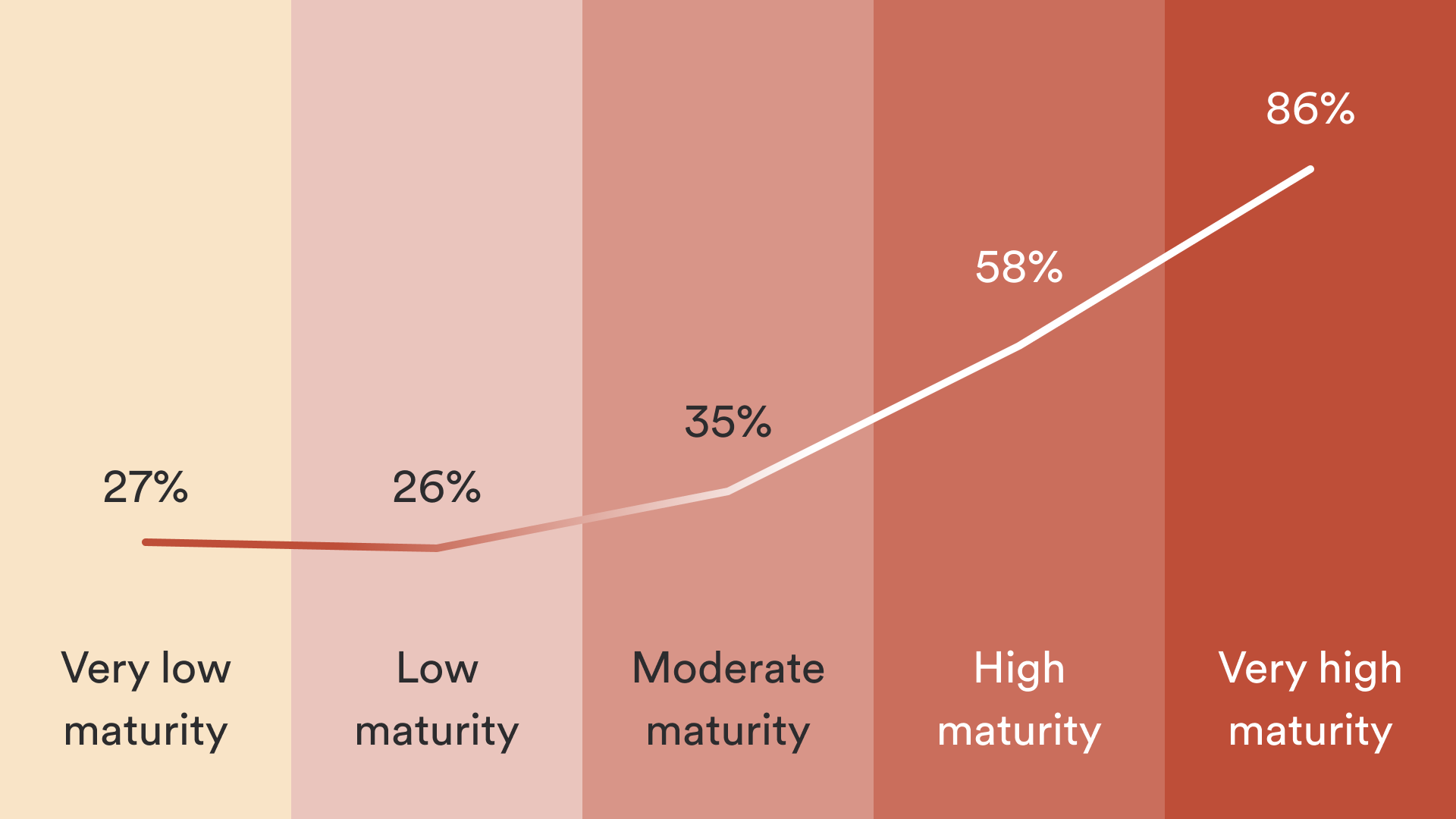
However, when it comes to improving alignment with company culture and goals across teams, this benefit is concentrated among organizations with the most sophisticated or ‘mature’ language programs.

Companies that experience improved alignment and understanding of company culture and goals across teams as a result of language training

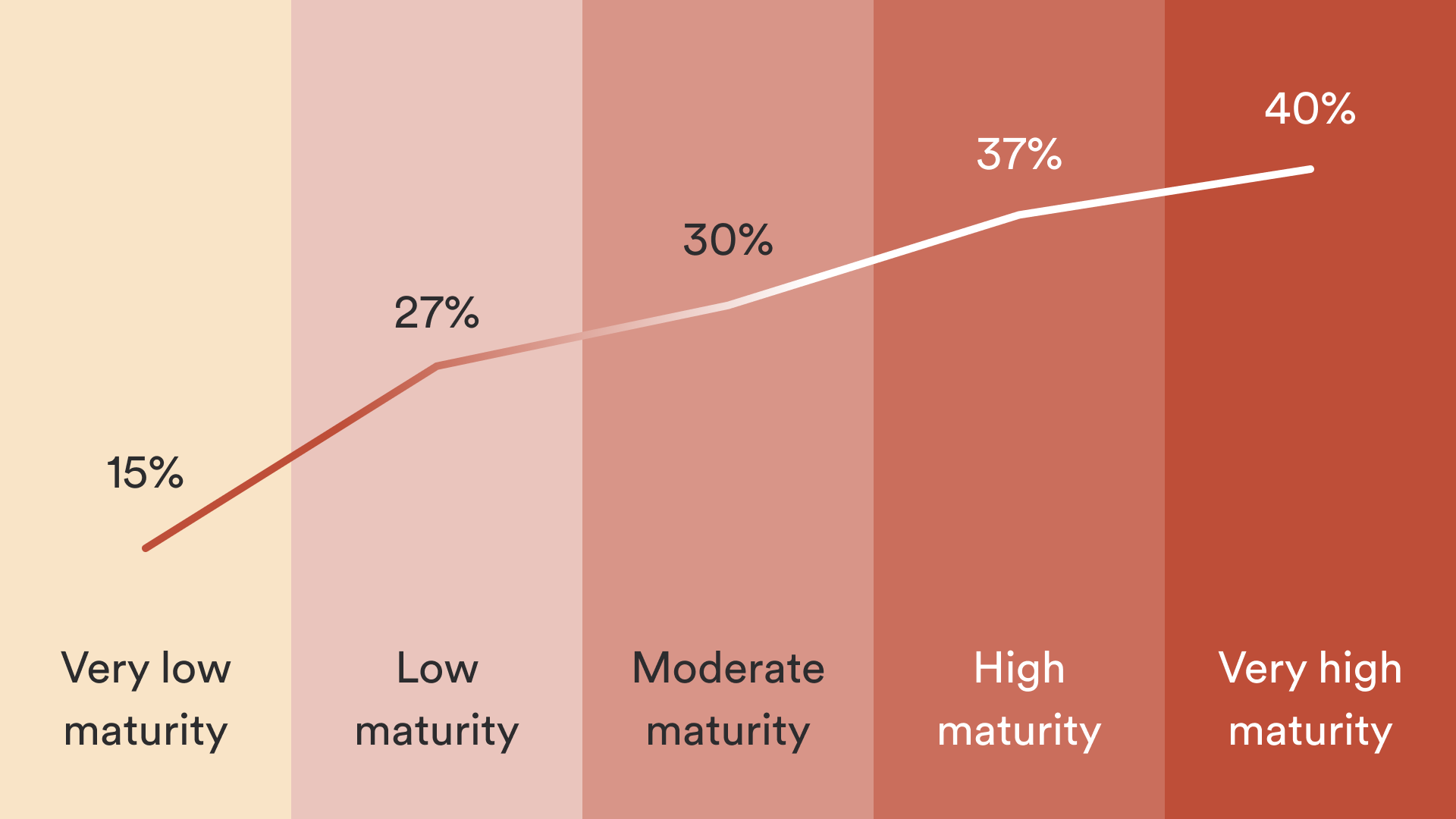
This relationship is reflected not only in reported improvements between teams, but also in broader organizational culture measures. Companies with more mature language programs are significantly more likely to report a strong, well-defined culture.

Companies reporting a strong, well-defined culture by program maturity level

A strong organizational culture reflects shared norms and expectations across teams, which creates a broader cultural coherence required for strategic alignment. However, the correlations in these charts suggest the presence of a language training program alone is not enough, as only the most mature or sophisticated programs are associated with these improvements to alignment.

Implications for global leaders


Insights in the Harvard Business Review highlight that those further from the decision-making center are more likely to view its outcomes more pessimistically or negatively. To combat this, strategy must be effectively translated through executive, functional and operational leadership, and securing and maintaining a high state of strategic alignment should be a collective goal of all leaders.

In global organizations, language capability is one of the mechanisms through which that translation occurs. Simply providing access to language training may improve communication, but it does not necessarily create shared understanding. Higher-maturity programs appear more likely to support the consistent interpretation of priorities and expectations across teams, as well as buy-in to the company culture.

For the six out of seven organizations that do not experience strong strategic alignment, building a stronger language program is one practical way to close this gap.

Quick wins to build a high-maturity language program

Several features of high-maturity language programs can be considered to support strategic alignment:


Linking language programs to employee performance and business objectives, means programs directly support the company’s strategy and each employee’s contribution to it.


Regular program reviews help ensure training remains aligned with current organizational priorities, rather than becoming disconnected from business needs.


Greater learning personalization allows individual communication gaps to be addressed.


Immersive practice increases employee confidence to speak up in meetings and contribute to decision-making.


Cultural learning helps colleagues interpret behaviors, feedback, and communication styles more accurately across regions.